
Living in North Port means enjoying warm winters, growing neighborhoods, and easy access to some of Southwest Florida’s best outdoor destinations. It also means dealing with a few plumbing conditions that homeowners in other parts of the country rarely encounter. North Port plumbing problems are often shaped by sandy soil, mineral-rich water, concrete slab construction, intense rainfall, and a high groundwater table. This Florida plumbing guide for homeowners explains how those local conditions affect pipes, fixtures, drains, sewer lines, and foundations so you can recognize trouble before a small leak turns into an expensive indoor swimming pool.
North Port homeowners do not need to become licensed plumbers, but they should understand the warning signs their homes are sending. A sluggish drain, unexplained water bill, rattling pipe, or patch of warm flooring may be more than a minor annoyance. It could indicate a hidden problem that requires professional testing and repair.
How North Port’s Sandy Soil Affects Your Plumbing Foundation
North Port’s soil conditions can create unique challenges for underground plumbing systems. Much of Florida has sandy, porous soil that allows water to move through the ground relatively quickly. That drainage can be helpful during ordinary rain, but it can also allow soil around buried pipes and foundations to shift, wash away, or settle unevenly after repeated storms.
When soil moves beneath or around a home, the plumbing system does not always move with it gracefully. Pipes are designed to remain properly supported and aligned. If the surrounding soil settles, a sewer or drain line may begin to sag. Plumbers sometimes call this a belly in the line because waste and water collect in the low section instead of flowing smoothly toward the municipal sewer or septic system.
Signs of a damaged or poorly supported underground line may include:
- Drains that repeatedly clog
- Gurgling toilets or sinks
- Sewage odors inside or outside the home
- Wet or unusually green areas in the yard
- Multiple slow drains at the same time
- Cracks in paved areas near underground piping
- Recurring backups after heavy rain
Sandy soil can also erode when water escapes from a leaking supply pipe or drain line. The escaping water carries soil away, creating empty spaces around the plumbing or beneath sections of the slab. Over time, this can contribute to further pipe movement and foundation-related concerns.
Florida’s groundwater systems make underground conditions even more important. The USGS identifies several aquifers and confining layers beneath central Sarasota County, including the surficial aquifer and portions of the Floridan aquifer system. The saturated surficial layer can be dozens of feet thick, demonstrating how closely local land conditions are connected to groundwater.
Homeowners cannot control the soil, but they can reduce risk by addressing plumbing leaks promptly. A small underground leak is not likely to fix itself out of politeness. It will continue wasting water and may disturb more soil until the damaged pipe is located and repaired.
Hard Water and Mineral Buildup in Pipes and Fixtures
Many Southwest Florida homeowners notice white residue around faucets, cloudy spots on glassware, reduced shower pressure, or crusty buildup on showerheads. These issues are commonly associated with dissolved minerals in the water.
Sarasota County publishes an annual Consumer Confidence Report explaining where its drinking water comes from, what it contains, and how testing results compare with federal and state standards. The county reported that its 2025 drinking water met applicable Florida Department of Environmental Protection and Environmental Protection Agency standards. Safe municipal water can still contain naturally occurring minerals that create aesthetic or maintenance problems inside a home.
Mineral accumulation can gradually affect:
- Faucet aerators
- Showerheads
- Water heater tanks
- Dishwasher components
- Washing machine valves
- Toilet fill valves
- Ice makers
- Refrigerator water lines
- Hot and cold supply piping
One clogged faucet aerator is usually easy to clean. Widespread pressure loss is a different story. If mineral buildup has restricted several fixtures or affected older pipes, replacing an aerator will not address the entire problem.
Water heaters deserve special attention. Minerals can settle at the bottom of a traditional tank-style heater. As sediment accumulates, the appliance may make popping or rumbling noises, operate less efficiently, or deliver less usable hot water. The sound can resemble a coffee maker attempting to launch into orbit, but the underlying issue is usually much less exciting.
A plumber can evaluate the water heater, flush it when appropriate, inspect the anode rod, and determine whether corrosion or sediment has shortened the unit’s expected service life. Depending on the home’s water conditions, plumbing materials, and household preferences, a water treatment or softening system may also be worth considering.
Homeowners should remember that visible mineral deposits are not always proof of a serious plumbing failure. However, they are a useful reminder to inspect fixtures, maintain the water heater, and monitor changes in water pressure.
Slab Construction and Why Slab Leaks Are So Common Here
Concrete slab foundations are common in Florida homes. Instead of having a basement or crawlspace, many homes are built on a concrete slab with portions of the plumbing installed beneath or within the foundation area.
This construction method works well in Florida’s climate and soil conditions when the home and plumbing are properly designed. The drawback is that a leaking pipe beneath the slab can be difficult to see and access. Water may travel along the pipe, through soil, or beneath flooring before obvious damage appears.
A slab leak can develop because of:
- Pipe corrosion
- Poorly protected piping
- Abrasion against concrete or another pipe
- Excessive water pressure
- Movement caused by soil settlement
- Aging fittings or pipe materials
- Installation defects
- Long-term thermal expansion and contraction
The Florida Building Code establishes statewide requirements for plumbing installations, materials, protection, testing, and construction practices. The currently effective statewide code is the 8th Edition of the Florida Building Code, which took effect on December 31, 2023. Plumbing repairs and replacements should be performed in accordance with current code requirements and applicable local permitting rules.
Possible signs of a slab leak include:
- A sudden increase in the water bill
- The sound of running water when fixtures are off
- Warm or damp areas on the floor
- Cracked, warped, or discolored flooring
- Mildew or musty odors
- Reduced water pressure
- Water appearing along walls or cabinets
- A water meter that continues moving when no water is being used
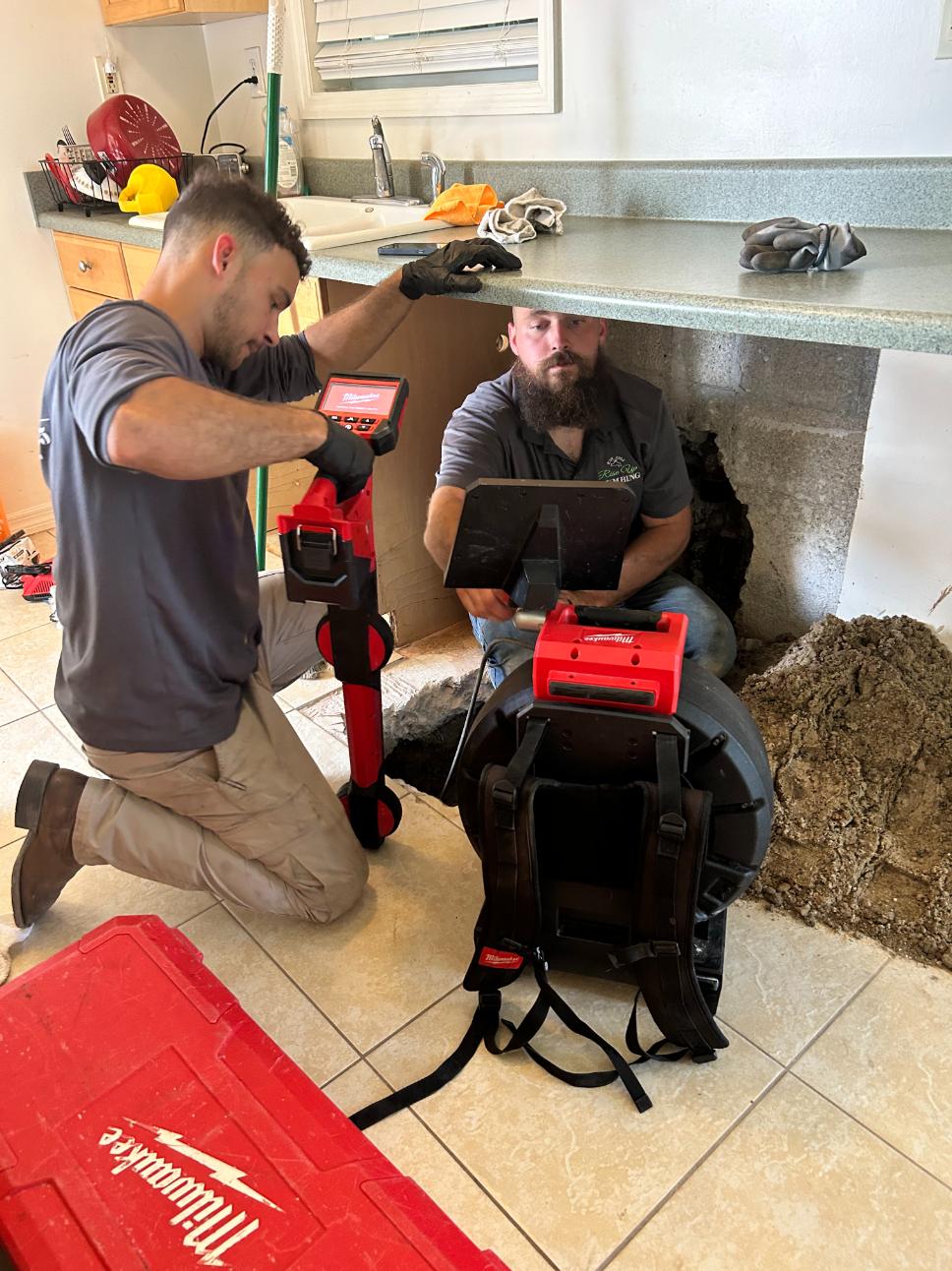
A warm section of flooring can indicate a leak in a hot-water line. However, homeowners should not start removing tile based on one suspicious warm spot. Professional leak detection equipment can help narrow down the location of hidden water without turning the entire living room into an excavation site.
Depending on the pipe’s location and condition, a plumber may recommend a direct repair, rerouting the affected line, or repiping part of the home. The right option depends on the pipe material, accessibility, damage pattern, age of the system, and likelihood of future leaks.
Seasonal Storm Impacts on Drains and Sewers
North Port’s rainy season can place substantial pressure on drainage systems. Heavy rainfall raises groundwater levels, saturates soil, fills stormwater systems, and exposes weaknesses in underground piping. While storm drains and sanitary sewers serve different purposes, severe weather can still create plumbing symptoms around a home.
Rainwater should never intentionally enter the sanitary plumbing system through improper connections. However, damaged cleanout caps, cracked sewer lines, missing seals, root intrusion, or other defects can allow groundwater and debris to enter underground piping.
Storm-related plumbing problems may include:
- Slow drains throughout the house
- Toilet bubbling or gurgling
- Sewer odors
- Water backing up into tubs or showers
- Overflowing exterior cleanouts
- Yard drains that stop flowing
- Sump or drainage pump problems
- Floodwater contamination around fixtures
Sarasota County maintains extensive drinking water, gravity sewer, force main, and reclaimed water infrastructure. The county reports servicing hundreds of miles of gravity mains and force mains, illustrating the size and complexity of the regional utility network.
Homeowners should never open a sewer cleanout or enter standing floodwater without understanding the risks. Wastewater may contain bacteria, chemicals, sharp debris, and other hazards. Electrical equipment near standing water creates an additional danger.
Before hurricane season or the peak rainy months, consider taking a few preventive steps:
- Locate the home’s main water shutoff valve.
- Make sure the valve turns properly.
- Keep outdoor drain openings clear of leaves and debris.
- Repair dripping hose bibs and exposed pipe leaks.
- Avoid pouring grease, wipes, or heavy food waste down drains.
- Schedule an inspection if backups occur after every major storm.
- Know how to contact a licensed emergency plumber.
After severe weather, pay attention to how the entire plumbing system behaves. One slow sink may have a local clog. Several slow fixtures, a gurgling toilet, and sewage in the shower usually indicate a more serious emergency plumbing problem.
Five Most Common Plumbing Calls Rise Up Plumbing Receives in North Port
North Port homes vary in age, plumbing material, water source, and construction style, but several categories of plumbing trouble appear repeatedly throughout the area. These are five common reasons local homeowners need professional help.
1. Clogged Drains and Sewer Backups
Kitchen grease, food particles, hair, soap residue, wipes, roots, damaged sewer lines, and settled piping can all restrict drainage. A basic plunger may handle a simple toilet clog, but repeated or whole-house backups require professional diagnosis.
Drain cleaning may remove the immediate obstruction. When clogs return, a camera inspection can help identify the underlying cause, such as a cracked pipe, root intrusion, heavy buildup, or sagging sewer line.
2. Water Heater Problems
No hot water, inconsistent temperatures, leaking tanks, rusty water, strange noises, and slow recovery are common reasons homeowners call a plumber. Florida water conditions can contribute to sediment accumulation, while age and corrosion eventually affect every water heater.
A leaking water heater should not be ignored. Even a small drip can worsen quickly, especially if the tank itself has corroded. Timely inspection can help determine whether the unit needs maintenance, component repair, or replacement.
3. Hidden Leaks and High Water Bills
Leaks are not always dramatic. A running toilet, leaking irrigation connection, dripping faucet, slab leak, or damaged underground service line may waste water continuously without creating an obvious puddle.
Homeowners should compare current utility bills with previous months while considering seasonal usage. An unexplained increase deserves attention. Checking the meter while all fixtures and water-using appliances are off can also reveal whether water is still moving through the system.
4. Low Water Pressure
Low pressure can come from a clogged aerator, failing pressure regulator, partially closed valve, mineral accumulation, supply-line leak, water heater issue, or problem affecting the municipal supply.
If pressure is low at only one faucet, the fixture may be the cause. If both hot and cold water are weak throughout the home, the problem is likely broader. Professional pressure testing helps separate a simple fixture issue from a hidden leak or supply restriction.
5. Toilet Repairs and Replacements
Toilets work hard and receive very little appreciation until they stop working. Common calls involve running toilets, weak flushing, repeated clogs, leaking seals, loose bases, cracked tanks, and malfunctioning fill valves.
A toilet that rocks at the base should be inspected. Movement can damage the wax seal and allow water to leak beneath the fixture. A plumber can determine whether the toilet needs to be reset, repaired, or replaced.
Frequently Asked Questions
Why does my North Port home have white buildup on the faucets?
White or chalky residue is commonly caused by dissolved minerals left behind when water evaporates. Cleaning aerators and fixtures can help, but recurring buildup may justify a water-quality or treatment evaluation.
How can I tell whether I have a slab leak?
Common signs include unexplained water usage, warm flooring, damp spots, reduced pressure, musty odors, and the sound of running water when fixtures are off. Professional leak detection is the safest way to confirm the location.
Are recurring drain clogs normal in Florida?
No. Occasional clogs happen, but repeated backups may indicate heavy buildup, root intrusion, pipe damage, poor slope, or a sagging sewer line.
Should I shut off my water before a major hurricane?
It depends on evacuation instructions, the condition of the home, and guidance from local authorities or your plumber. Every homeowner should at least know where the main shutoff is and confirm that it works before storm season.
Does safe drinking water mean I cannot have hard-water problems?
No. Water can meet safety standards while still containing minerals that leave spots, accumulate in appliances, or affect fixture performance.
What should I do if sewage backs up into a shower?
Stop using sinks, toilets, washing machines, and dishwashers. Keep people and pets away from contaminated water and call a licensed plumber promptly.
Can I repair an underground pipe without a permit?
Permit requirements depend on the type and scope of work. A licensed plumbing contractor can determine which repairs require permits and inspections under current Florida and local codes.
How often should my plumbing system be inspected?
There is no single schedule for every property. Older homes, homes with recurring clogs, high water bills, aging water heaters, or previous slab leaks may benefit from more frequent professional inspections.
Contact Rise Up Plumbing, Your Local North Port Plumbing Experts
North Port plumbing systems face challenges that are easy to underestimate. Sandy soil can shift around underground lines, mineral buildup can restrict fixtures, slab construction can hide leaks, and seasonal storms can expose drainage and sewer problems at the worst possible time. Recognizing the early warning signs gives you a better chance of correcting the problem before it causes major water damage, contamination, or structural concerns.
Rise Up Plumbing is a licensed plumbing company based in North Port, Florida. Our team understands the construction styles, water conditions, weather patterns, and plumbing problems local homeowners encounter. Whether you are dealing with a clogged drain, failing water heater, suspiciously high water bill, hidden slab leak, sewer backup, or low water pressure, we provide knowledgeable guidance and dependable plumbing solutions.
Contact Rise Up Plumbing, your local North Port plumbing experts, to schedule professional plumbing service and protect your home from Florida-specific plumbing problems.