
Tankless vs. Tank Water Heater: Which Is Right for Your North Port Home?
The short answer: A tankless water heater is usually the better long-term choice if your home has natural gas or propane, you plan to stay for years, and you rarely run several showers at once. A traditional tank water heater is usually the smarter pick if you want the lowest upfront cost, want stored water on hand during hurricane-season power outages, or your home is all-electric with limited electrical capacity.
Choosing a new water heater is one of the decisions our customers find hardest to make. Both options work well when they are matched to the home, and both cause frustration when they are not. This guide walks through the real differences, what Southwest Florida’s climate changes about the decision, and the questions that point most households to a clear answer.
How Tank and Tankless Water Heaters Work
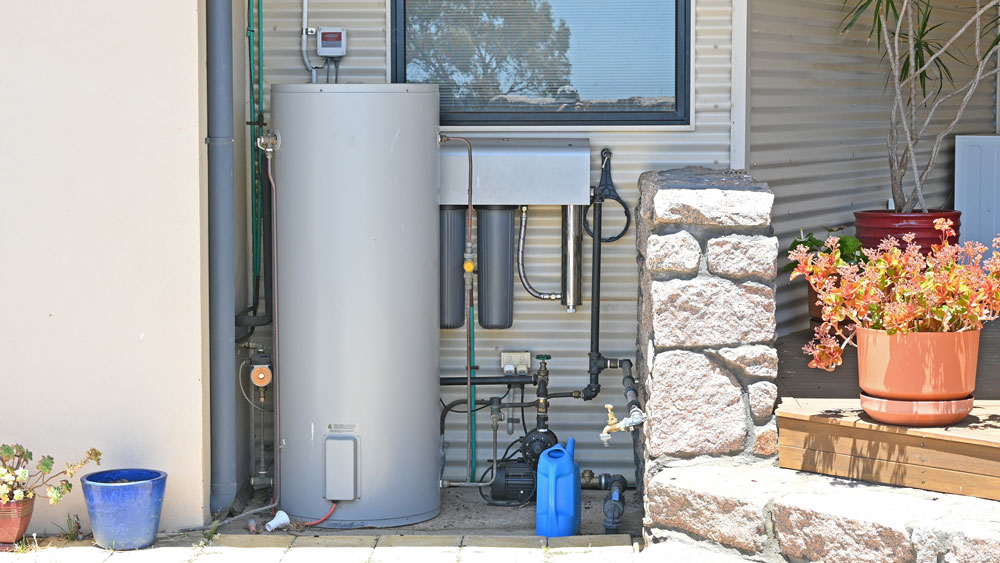
A tank water heater keeps a reserve of water, commonly 30 to 50 gallons in a typical home, heated around the clock. When you open a hot tap, you draw from that stored supply, and the heater refills and reheats the tank as you use it. Once the hot water is used up, you wait for it to recover.
A tankless water heater stores nothing. When you open a hot tap, water flows through a heat exchanger and is heated on the spot. According to the U.S. Department of Energy, tankless units typically deliver hot water at 2 to 5 gallons per minute. You never run out, but the unit can only heat so much water at one time.
Tankless vs. Tank: Side-by-Side Comparison
| Factor | Tank water heater | Tankless water heater |
|---|---|---|
| Upfront cost | Lower. Often a straight swap for the old unit. | Higher. The unit costs more, and some homes need gas line, venting, or electrical work. |
| Energy use | Keeps stored water hot all day and night, which wastes energy as standby heat loss. | Heats only what you use. The DOE estimates 24% to 34% more efficient for homes using 41 gallons or less per day, and 8% to 14% for homes using around 86 gallons per day. |
| Hot water supply | Limited to the tank’s capacity, then a recovery wait. | Continuous, but limited by flow rate when several fixtures run at once. |
| Lifespan | Shorter, and sediment and a worn-out anode rod shorten it further. | The DOE notes most tankless units last more than 20 years. |
| Space | Takes up floor space in a garage, closet, or utility room. | Compact and wall-mounted. |
| Power outage | Holds a reserve of stored water you can draw on in an emergency. | Needs electricity to operate, including gas models. |
| Routine care | Periodic flushing and anode rod checks. | Periodic descaling of the heat exchanger, more often with hard water. |
What Florida Changes About the Decision
Most comparison guides are written for the whole country. A few factors make the choice look different here in North Port, Port Charlotte, Englewood, and the rest of Sarasota and Charlotte Counties.
Warmer incoming water works in tankless’ favor
A tankless heater’s output depends on how much it has to raise the water’s temperature. Florida’s incoming water is far warmer than water in northern states, so the same tankless unit can deliver noticeably more hot water here. Industry sizing guides note that a unit fed with 70 to 75 degree water can produce about twice as much hot water as it would with 40 to 45 degree water up north. That makes it easier to size a tankless system that keeps up with a Florida household.
Hurricane season favors a tank
This is the factor most homeowners overlook. Gas tankless units still need electricity to run their controls, fan, and ignition, so when the power goes out after a storm, the hot water goes with it. A tank water heater, on the other hand, holds dozens of gallons of clean water that emergency preparedness agencies list as a backup water source. If you do draw from it, shut off the power or gas first, and make sure the tank is completely refilled before turning it back on. If you have a whole-home generator, this concern largely goes away.
Hard water affects both, in different ways
Southwest Florida’s mineral-heavy water leaves sediment in the bottom of tanks and scale inside tankless heat exchangers. A tank loses efficiency and capacity as sediment builds up. A tankless unit loses flow and can throw error codes as scale coats its heat exchanger, which is why manufacturers call for regular descaling in hard-water areas. Either way, pairing your water heater with water filtration and treatment reduces mineral buildup and helps the equipment last longer.
Seasonal homes are a strong case for tankless
If your North Port home sits empty for months each year, a tank heater either keeps heating water nobody is using or sits full of stagnant water until you return. A tankless unit has no stored water to keep hot or go stale, which makes it a natural fit for part-time residents.
Which One Fits Your Household?
Tankless is usually the better fit if:
- Your home already has natural gas or propane service.
- You plan to stay in the home long enough to benefit from lower operating costs and a longer service life.
- Your household is small to mid-sized, or rarely runs multiple showers and appliances at once.
- The home is a seasonal residence.
- You want to free up floor space.
A tank is usually the better fit if:
- You want the lowest upfront cost or need a fast like-for-like replacement.
- Your home is all-electric and the panel can’t support a large new load without an upgrade.
- Several people often need hot water at the same time.
- Stored water during hurricane-season outages matters to you and you don’t have a generator.
- You may sell the home in the next few years.
A third option: the hybrid heat pump water heater
A heat pump water heater is a tank that heats water by pulling warmth from the surrounding air instead of relying only on electric heating elements. Florida garages stay warm most of the year, which suits this design. It costs more than a standard electric tank but can use considerably less electricity. One note if you have read older articles: the federal tax credit that applied to these units ended for installations after December 31, 2025, so check with your electric utility for any current rebates before you budget around one.
The Brands We Install and Why
Equipment quality and manufacturer support matter just as much as the type you choose.
Tank water heaters: Bradford White. Bradford White builds its water heaters in the United States and sells them only through licensed plumbing professionals, not big-box stores. That model puts proper sizing and code-compliant installation first, which is the standard we hold ourselves to.
Tankless water heaters: Navien and Rinnai. We install these two brands because, in our experience, they offer the best technology and the best manufacturer support in tankless. Navien’s NPE-A2 series, for example, includes a built-in recirculation pump and buffer tank designed to deliver hot water faster and smooth out the brief temperature swings some tankless systems are known for.
Questions to Answer Before You Replace Your Water Heater
- How old is your current unit, and is it failing or just aging? Planning a replacement before a leak gives you time to compare options instead of taking whatever is available in an emergency.
- Do you have gas or propane at the home? Navien and Rinnai tankless units are gas-fired, so this often decides the question.
- How much electrical capacity does your panel have? Whole-home electric tankless units draw a large amount of power and may require a panel upgrade.
- What does your busiest hot water moment look like? Two showers and a dishwasher at once requires a very different setup than one shower at a time.
- How long will you live here, and is it full-time or seasonal? The longer you stay, the more the efficiency and lifespan of tankless pays off.
Our team can walk through these questions on-site and give you a straight recommendation for your home. Learn more about our tankless and traditional water heater services, or see what to expect from water heater replacement. If a tankless upgrade makes sense but the upfront cost is a hurdle, ask about our financing options.
Not Sure Which Water Heater Is Right for You?
Rise Up Plumbing installs and services tank and tankless water heaters across North Port, Port Charlotte, Punta Gorda, Englewood, Venice, and Sarasota. Call (941) 310-3235 or request an estimate online and we’ll help you choose with confidence.
Frequently Asked Questions
Is a tankless water heater worth it in Florida?
For many Florida homes, yes. Warm incoming water lets a tankless unit deliver more hot water than the same unit could up north, and tankless heaters avoid the standby energy loss of keeping a tank hot. It is most worth it in homes with gas or propane, owners who plan to stay for years, and seasonal residences. It is less worth it in all-electric homes that would need a costly panel upgrade.
Does a tankless water heater work during a power outage?
No. Even gas-fired tankless units need electricity for their controls, fan, and ignition. An electric tank water heater also stops heating without power, but any tank still holds stored water you can use in an emergency.
How long does a tankless water heater last compared to a tank?
The U.S. Department of Energy notes that most tankless water heaters last more than 20 years. Tank water heaters have a shorter service life, and hard water, sediment, and anode rod wear can shorten it further without regular maintenance.
Can I switch from a tank water heater to tankless?
Yes, but it is more than a direct swap. Depending on the home, the switch may require a larger gas line, new venting, or electrical upgrades. A licensed plumber should evaluate your fuel source, gas line size, and peak hot water demand before you commit.
Do tankless water heaters need maintenance with hard water?
Yes. Minerals in hard water form scale inside the heat exchanger, which reduces flow and efficiency. Tankless units in hard-water areas should be descaled regularly, and a water softener or filtration system can reduce how quickly scale builds up.