
Florida water heaters fail faster than expected because of a combination of hard water mineral buildup, high humidity, year-round usage, salt air exposure, and lack of routine maintenance. These conditions place constant stress on the tank, components, and plumbing connections in ways that homeowners in cooler, drier states rarely encounter. The good news is that most Florida water heater problems are preventable or correctable with proper care.
- Hard water sediment is the leading cause of early water heater failure in Florida
- Humidity accelerates corrosion on tanks, fittings, and valves
- Skipping maintenance shortens system life and raises energy bills
- Popping or rumbling noises are a warning sign that sediment buildup has already begun
Florida Is Tough on Water Heaters
Florida homeowners do not get the seasonal usage breaks that extend water heater life in cooler states. In most households, the system runs consistently year-round to handle showers, laundry, dishwashing, and cleaning. Add humid air, mineral-heavy groundwater, and potential salt air exposure near coastal communities like North Port, and you have an environment that puts water heaters under sustained stress.
Even a well-made unit can fail prematurely without proper maintenance. A water heater is not invincible, and treating it like a forgotten appliance in a hot garage is a reliable way to shorten its life.
Hard Water and Mineral Buildup
Hard water contains elevated levels of calcium and magnesium that settle at the bottom of a water heater tank and form sediment over time. As sediment builds up, the burner or heating element must work harder to heat water through the mineral layer. This leads to longer heating times, higher energy bills, rumbling or popping noises, reduced hot water supply, overheating inside the tank, and premature tank failure.
If your water heater sounds like it is making popcorn, that is typically sediment buildup demanding attention, not a quirky appliance feature.
Sediment Can Damage the Tank Itself
Sediment at the bottom of a tank traps heat, which causes the metal lining to weaken over time. This can contribute to cracks, leaks, and complete system failure. A leaking water heater in a Florida garage or utility room, where humidity is already high, can cause water damage to flooring, drywall, storage items, and electrical components quickly.
Routine tank flushing reduces sediment buildup, but if a unit has not been flushed in years, improper draining can stir up hardened minerals or reveal existing damage. Professional water heater maintenance is the safer approach.
High Humidity Speeds Up Corrosion
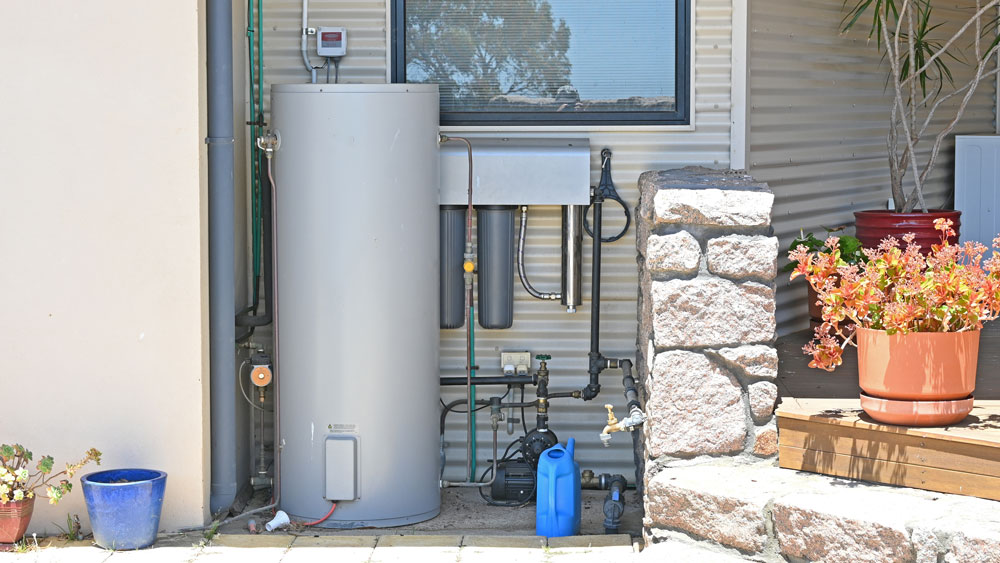
Florida humidity is not subtle, and your water heater feels it too. Units installed in garages, closets, laundry rooms, or utility spaces may be exposed to elevated moisture for extended periods. That moisture accelerates corrosion on the tank exterior, fittings, valves, and pipe connections.
Corrosion may appear as rust on the tank exterior, rust near pipe connections, corroded fittings, rust-colored water, small leaks around valves, or weakening metal components. Once corrosion begins, it tends to spread. Catching it early is significantly less costly than addressing it after the tank has failed.
Salt Air Can Be a Problem Near Coastal Areas
Salt air gradually attacks metal surfaces, especially when combined with moisture and heat. Homes near coastal areas in Florida may experience accelerated corrosion on plumbing fixtures, outdoor equipment, and water heater components. Even in North Port, which is not directly on the beach, humid salty air can affect hardware depending on location, ventilation, and exposure. Homeowners in these environments should be especially proactive about inspections.
Your Anode Rod May Be Worn Out
Inside every traditional tank water heater is an anode rod, a sacrificial component that attracts corrosive elements in the water so the tank lining does not corrode as quickly. In areas with hard or mineral-heavy water, anode rods wear down faster than the manufacturer’s estimate.
Signs your anode rod may need attention include rusty or discolored hot water, metallic-smelling water, a rotten egg odor from hot water, faster corrosion inside the tank, and a shortened water heater lifespan. Replacing a depleted anode rod at the right time can meaningfully extend the life of the unit. It is one of the most overlooked maintenance items in Florida homes.
Year-Round Usage Increases Wear
Florida households often use hot water steadily throughout the year. If your household has grown, or if daily habits have increased demand, your water heater may be undersized for your actual needs. An undersized unit cycles more often, wears out components faster, and struggles to keep up with peak demand.
Common signs your water heater is overworked include hot water running out quickly, temperature fluctuations, slow recovery time, the system running constantly, rising energy bills, and inability to supply multiple fixtures simultaneously. Your water heater should match your household’s real current demand, not what worked a decade ago.
Incorrect Installation Can Shorten System Life
Even a high-quality water heater can fail early if installed incorrectly. Poor installation can cause pressure problems, venting issues, unsafe electrical or gas configurations, and premature component failure. Common installation mistakes include wrong unit size, improper pressure relief valve setup, poor pipe connections, incorrect electrical wiring, inadequate expansion tank installation, improper venting for gas units, and failure to follow local plumbing codes.
Florida homes have specific plumbing requirements based on local codes, water quality, and environmental conditions. Choosing a licensed plumbing company matters more here than in most places. For a new unit, professional water heater replacement ensures the installation is done safely and correctly from the start.
High Water Pressure Can Wear Out the System
Excessive water pressure places extra stress on your water heater, pipes, fixtures, valves, and appliances. When pressure is too high, the water heater may experience leaks at fittings or valves, premature tank stress, expansion problems, water hammer, relief valve discharge, and shortened system lifespan.
A thermal expansion tank may be needed in some systems to handle pressure changes as water heats and expands. A licensed plumber can test your water pressure and determine whether pressure issues are contributing to repeated problems. Issues with water pressure throughout your home and at the water heater are often connected.
Lack of Maintenance Is a Major Factor
Most water heater failures are not actually sudden. They build over time. Routine maintenance can include flushing sediment from the tank, checking the anode rod, inspecting valves and fittings, testing the temperature and pressure relief valve, checking for corrosion, inspecting supply lines, and verifying safe operation.
Skipping maintenance shortens the life of the unit and leads to higher repair costs. Annual service is usually far less expensive than emergency replacement or water damage repair.
Electric vs. Tankless: Both Need Attention in Florida
Many Florida homes use electric water heaters, which can develop issues with heating elements, thermostats, wiring connections, and breakers. Common problems include no hot water, lukewarm water, tripped breakers, burned-out heating elements, faulty thermostats, and sediment covering the lower element.
Tankless water heaters, while space-saving and efficient, are not maintenance-free in Florida. Mineral buildup can affect the heat exchanger and cause efficiency loss, error codes, temperature fluctuations, and early failure. Regular descaling is essential for tankless units in hard water areas. Signs a tankless system needs service include fluctuating water temperature, reduced flow, error codes, system shutdowns, and unusual noises during operation.
Warning Signs Your Water Heater Is Failing
A failing water heater usually gives warning before it quits. Watch for these signs:
- Water is not getting hot or runs out faster than usual
- Water smells strange or looks rusty or cloudy
- Popping, rumbling, or banging noises from the tank
- Visible leaks or moisture around the base
- Rising energy bills without a change in usage
- Pilot light issues on gas models
- Frequent breaker trips on electric models
- Temperature changes during use
Repair or Replace: How to Decide
Whether to repair or replace depends on the unit’s age, condition, efficiency, and the nature of the problem.
| Repair May Make Sense If | Replacement Is Often Better If |
|---|---|
| The unit is relatively new | The tank is leaking |
| The tank is not leaking | The unit is near end of expected lifespan |
| The issue is a replaceable part | Repairs are becoming frequent |
| The system has been maintained | Corrosion is advanced |
| Repair cost is reasonable | Hot water problems keep returning |
How to Help Your Water Heater Last Longer in Florida
- Schedule annual water heater inspections
- Flush the tank as recommended, at least once a year in hard water areas
- Check the anode rod periodically and replace when depleted
- Address leaks immediately, even small ones
- Keep the area around the unit dry and clear
- Test water pressure and install a regulator if needed
- Consider water treatment if hard water is severe
- Service tankless systems regularly to prevent mineral scale
- Hire licensed professionals for installation and repair
Bottom Line
Florida’s hard water, humidity, salt air, and year-round demand create conditions that wear out water heaters faster than the national average. Most failures are not sudden. They build through neglected sediment, a depleted anode rod, corrosion, or pressure problems that go unaddressed. Annual professional maintenance is the most effective way to extend system life, reduce energy costs, and avoid emergency replacements.
FAQ: Water Heater Problems in Florida
Why does my water heater fail faster in Florida?
Florida’s hard water deposits sediment inside the tank, humidity accelerates corrosion, and year-round usage means the unit never gets a break. Without regular maintenance, these factors compound and can cut the system’s effective lifespan significantly compared to the manufacturer’s estimate.
How often should I flush my water heater in Florida?
Most Florida homes benefit from flushing at least once a year. Homes with especially hard water may need service more often. A licensed plumber can recommend a schedule based on your water quality and the type of system you have.
What does it mean if my water heater is making popping noises?
Popping or rumbling sounds typically indicate sediment buildup at the bottom of the tank. Trapped water heats beneath the mineral layer and creates noisy bubbling. This is a sign the system needs attention before the sediment causes more serious damage to the tank lining.
Should I repair or replace my water heater?
Minor part failures in a relatively new unit are often worth repairing. But if the tank is leaking, corrosion is advanced, or the unit breaks down repeatedly, replacement is usually the better long-term investment. A licensed plumber can compare both options honestly based on the unit’s actual condition.
Are tankless water heaters better for Florida homes?
Tankless units can be a good option when properly sized and maintained, offering on-demand hot water and space savings. However, they still require regular descaling to prevent mineral buildup in hard water areas. Without maintenance, they can fail prematurely just like traditional tanks.
Call Rise Up Plumbing for Water Heater Help in North Port, FL
If your water heater is failing fast, making strange noises, leaking, or leaving you with cold showers, do not wait for the problem to get worse. Rise Up Plumbing is a licensed plumbing company based in North Port, FL, serving homeowners who need dependable water heater repair, replacement, installation, and maintenance. Contact us today to schedule service and get your hot water flowing reliably again.